Project Overview
Responsibilities: Interaction design, game design,
gameplay programming, cutscene animation
Time Period: September 2025 - March 2026
Through: UCI Informatics + Software Engineering Capstone
Project Partner: Katharine Simon (UCI SLEEP Lab)
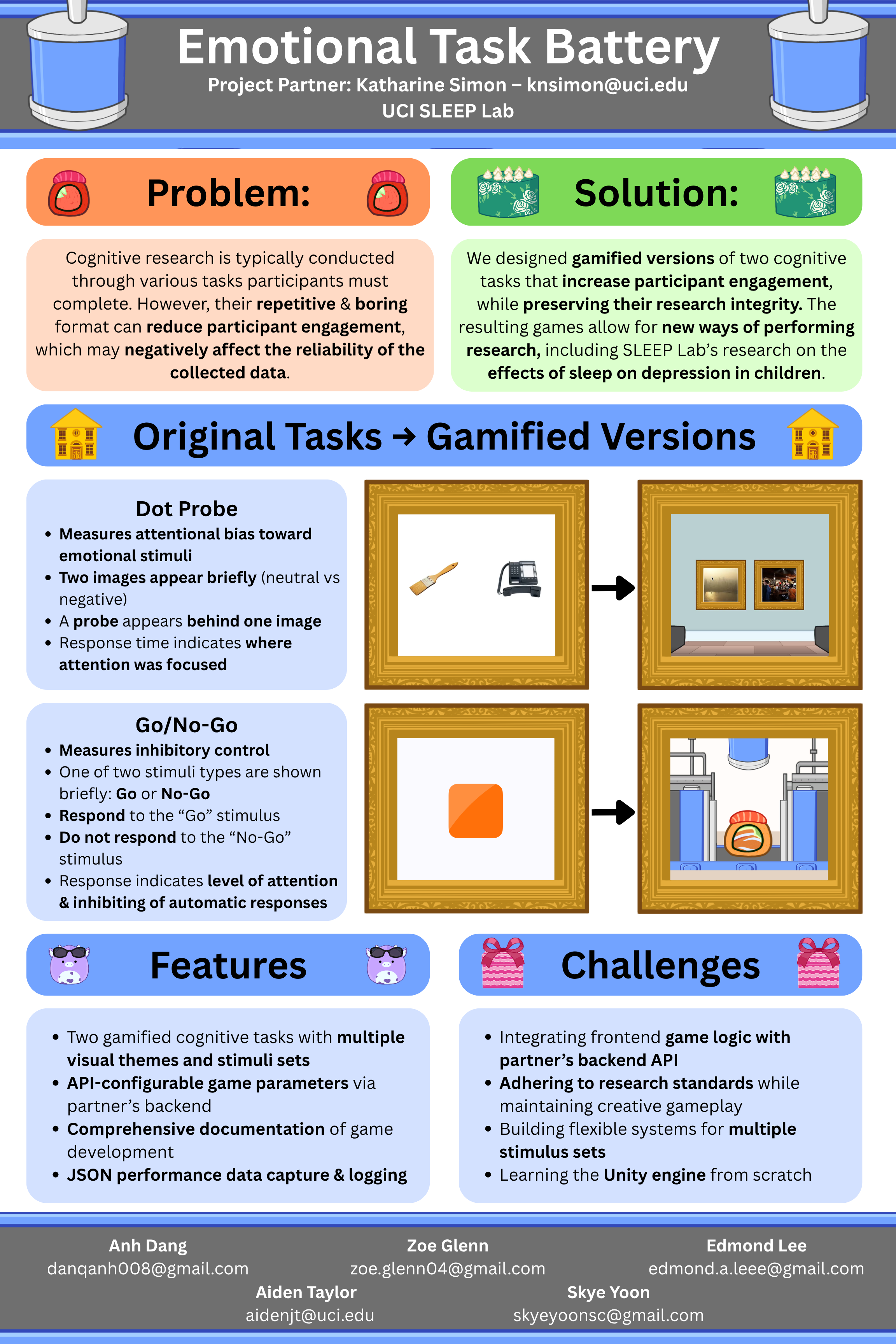
For my senior capstone project, I worked with the Sleep, Learning, and Emotion in Pediatrics (SLEEP) Lab to design engaging minigames to conduct cognitive research on children! In cognitive research studies, participants will often have to complete a series of tasks while data is collected on whatever the given task is testing. Children can be a tough group to research due to their limited attention spans. Additionally, while the cognitive tasks used in studies are well researched and established in the field as a valid way to conduct studies, they are extremely simple, repetitive, and boring. The SLEEP Lab’s research on sleep and emotional affectivity in children with depression requires cognitive tasks that can gauge children’s emotional states in a more fun and interactive way. The way my team chose to approach this is by translating these established and well-researched cognitive tasks into mobile minigames! The cognitive tasks my team and I focused on are the Dot Probe and Go/No-go tasks. While the use of games in research is an idea that has been explored before in other domains, the SLEEP Lab is pioneering the use of minigames in cognitive research. The work my team and I have completed on this project could very well help to push forward new methods of conducting research, especially on children. This page will serve as an overview to my contributions working on this project, as well as my thought processes behind them. The two minigames produced through this project are fully integrated into the SLEEP Lab’s in-house mobile app that research participants complete tasks and check-ins through: MindCycle/HowRU.
Synopsis Poster
Dot Probe: Museum Heist
The Dot Probe Task
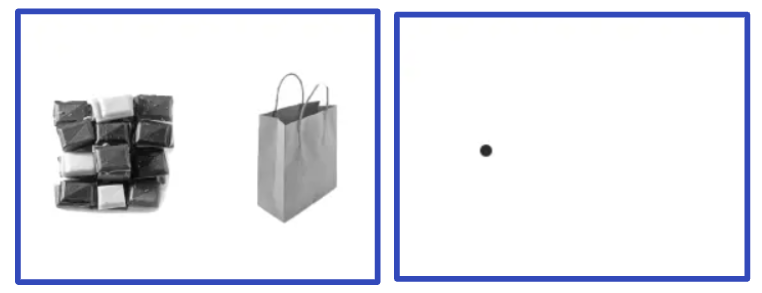
The dot probe task is meant to test attentional biases in the participant. The participants are shown two images briefly. When the images disappear, there will be a dot behind one of them, on which the participant is supposed to click. By measuring the reaction time of the participant, what side the dot appeared on, and what images were used, the task can determine if the participant’s attention was biased towards a certain image before the dot appears. In the case of SLEEP Lab, since they are testing emotional affectivity, the images shown to their participants will contain emotional content. There will always be one image with negative emotional content, and one that is neutral. Behind the scenes, the game my team and I developed ensures that exactly 1 negative and 1 neutral image is picked, that the side of each image and the side the dot appears on is fully random, and that the same image will never be shown to the participant twice, even across multiple gameplay sessions.
Brainstorming/Storyboarding
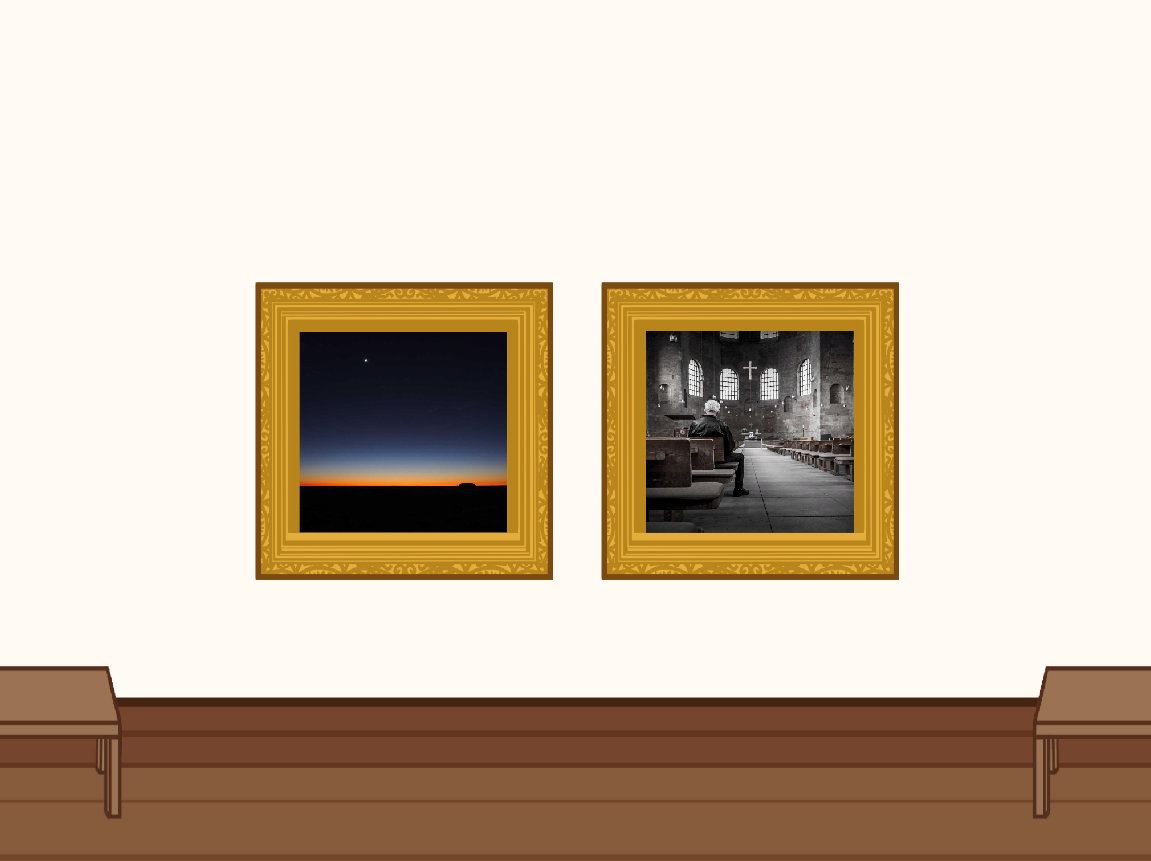
Here are some initial sketches I came up with while brainstorming how to gamify dot probe. My idea to theme the game around an art museum heist was the concept the team ended up going with. My thought process with this was that it gives the player a concrete goal to work towards; stealing from a safe. It also smoothly integrates the use of completely random images that might look out of place in a highly themed game. Framing the images as paintings in a museum ensures that images showing a wide variety of content can fit into the game smoothly.
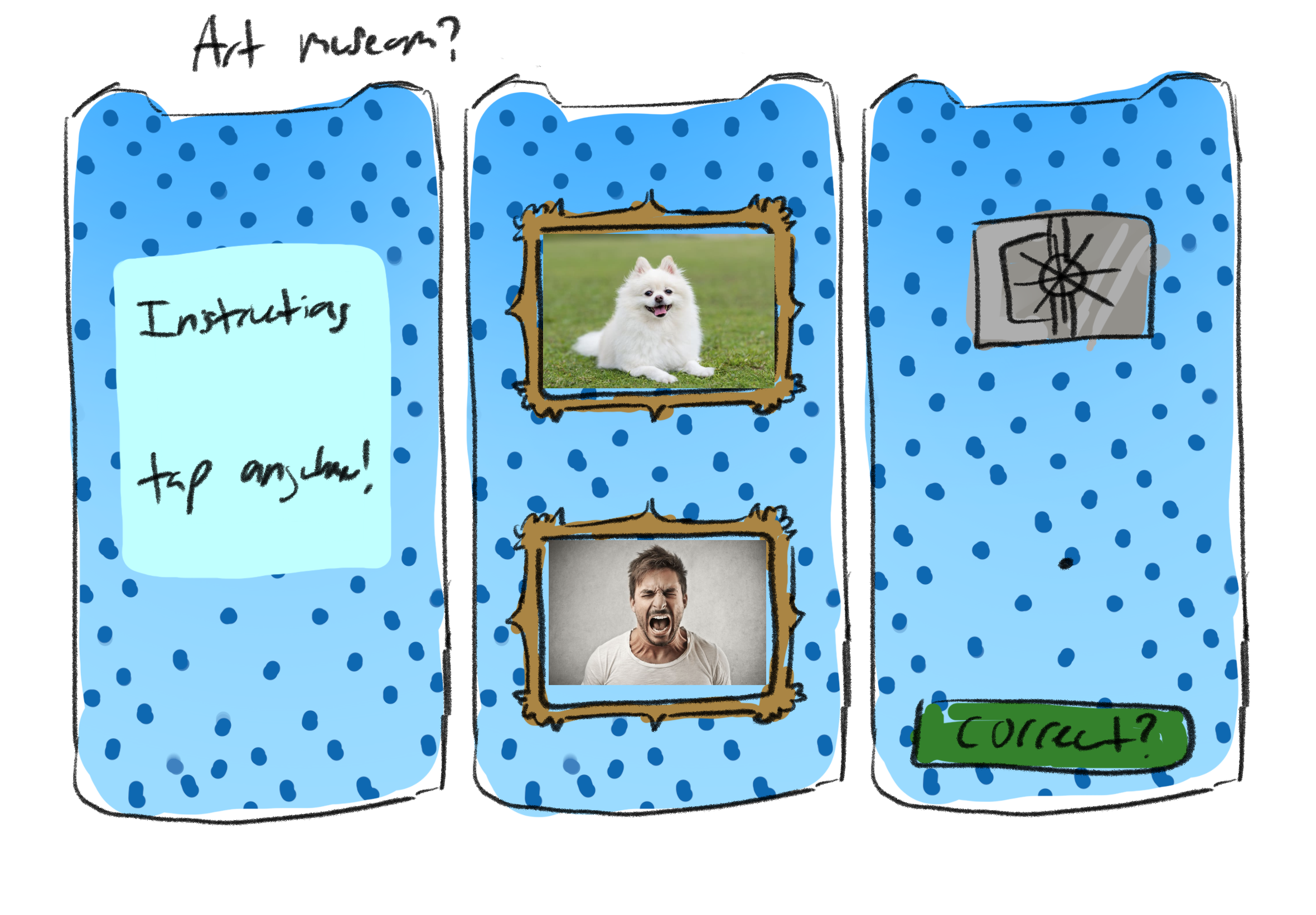
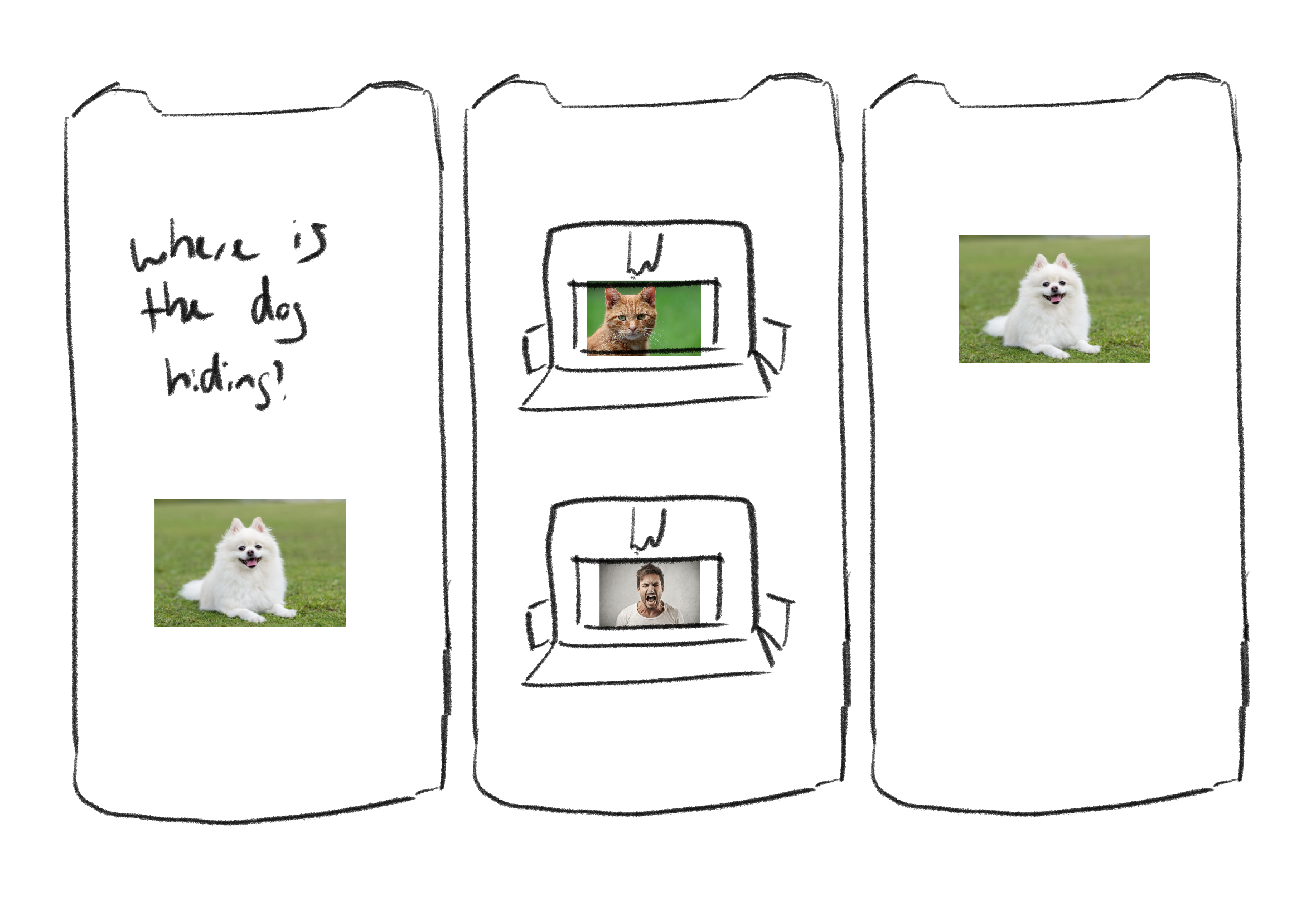
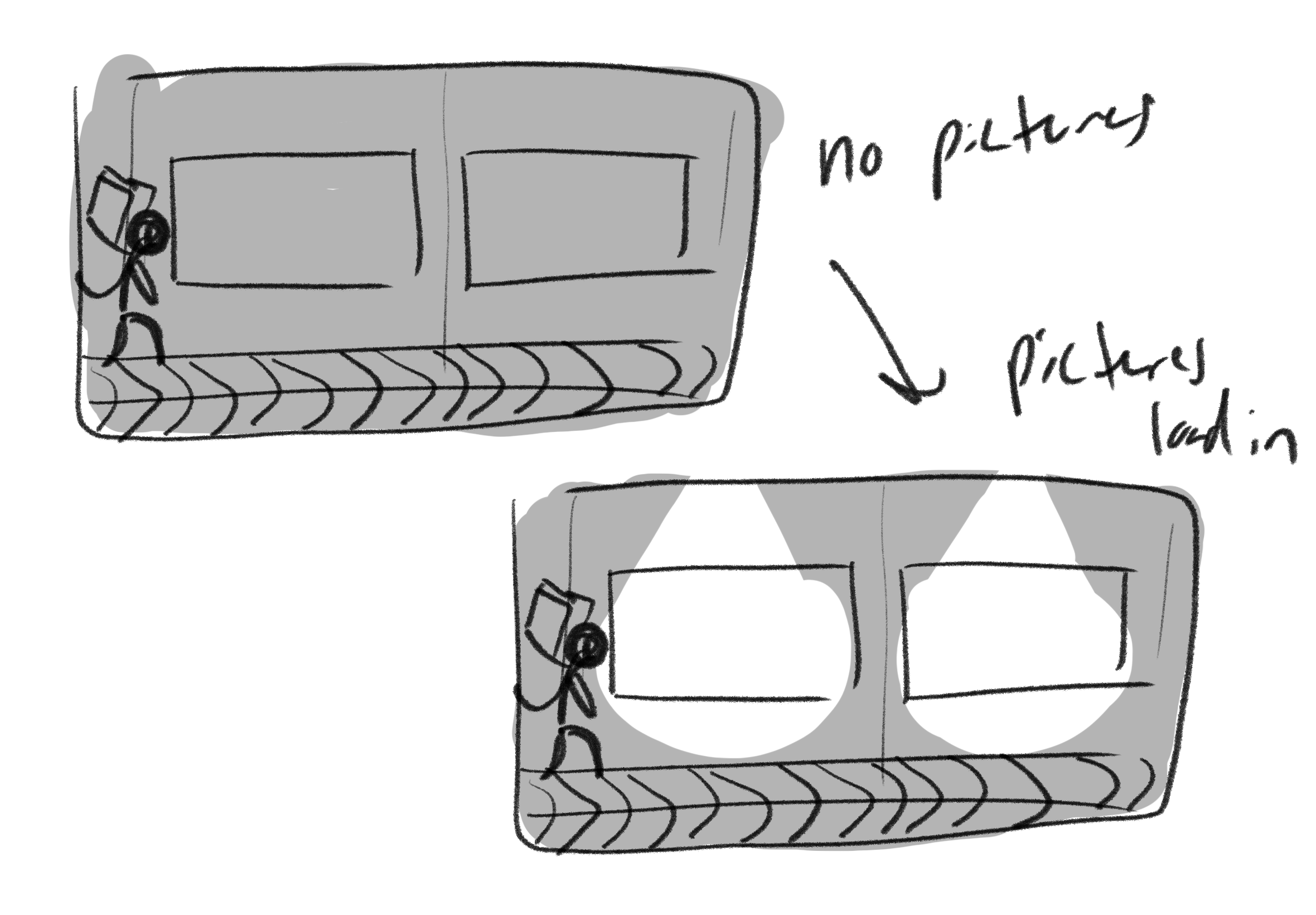
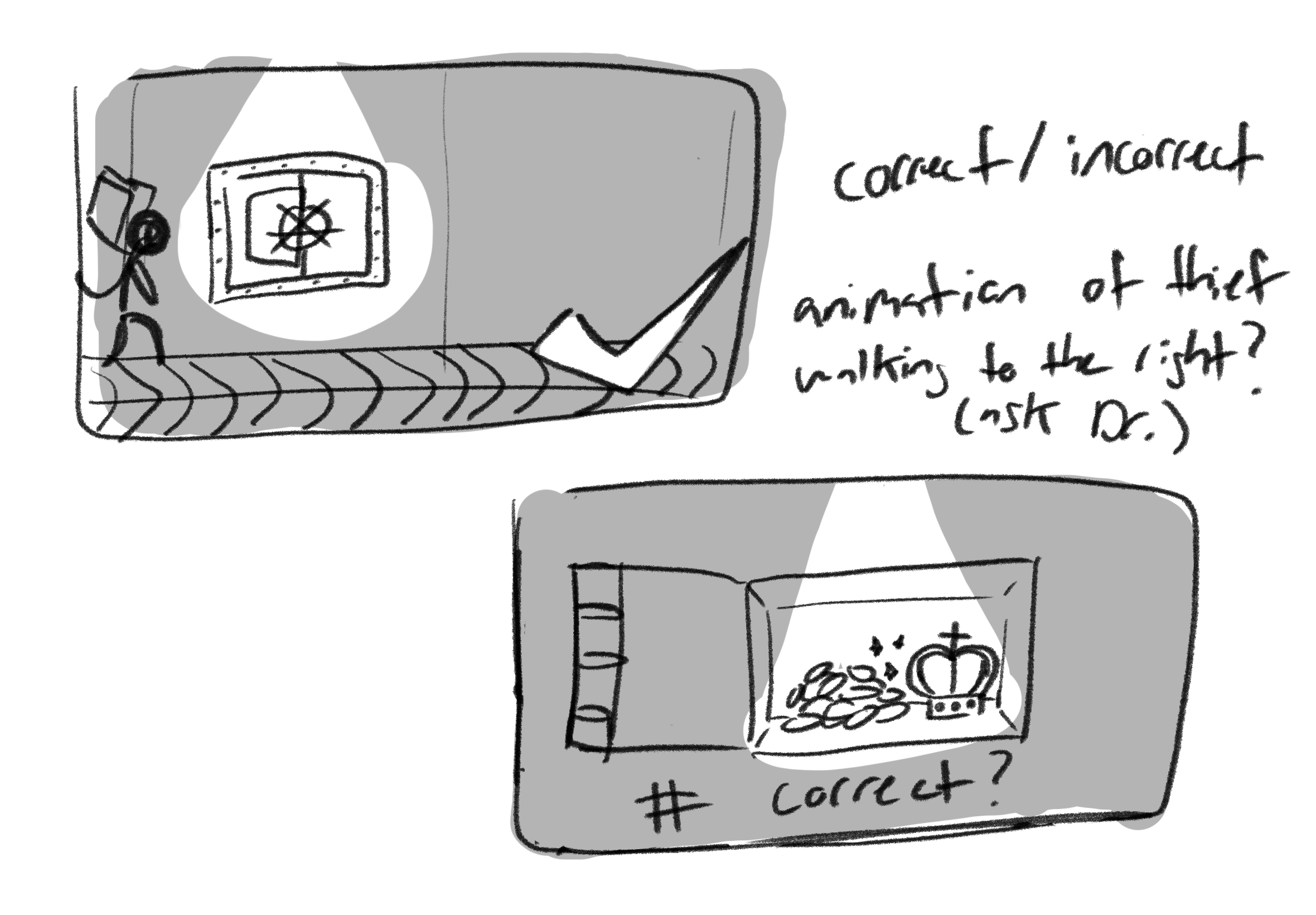
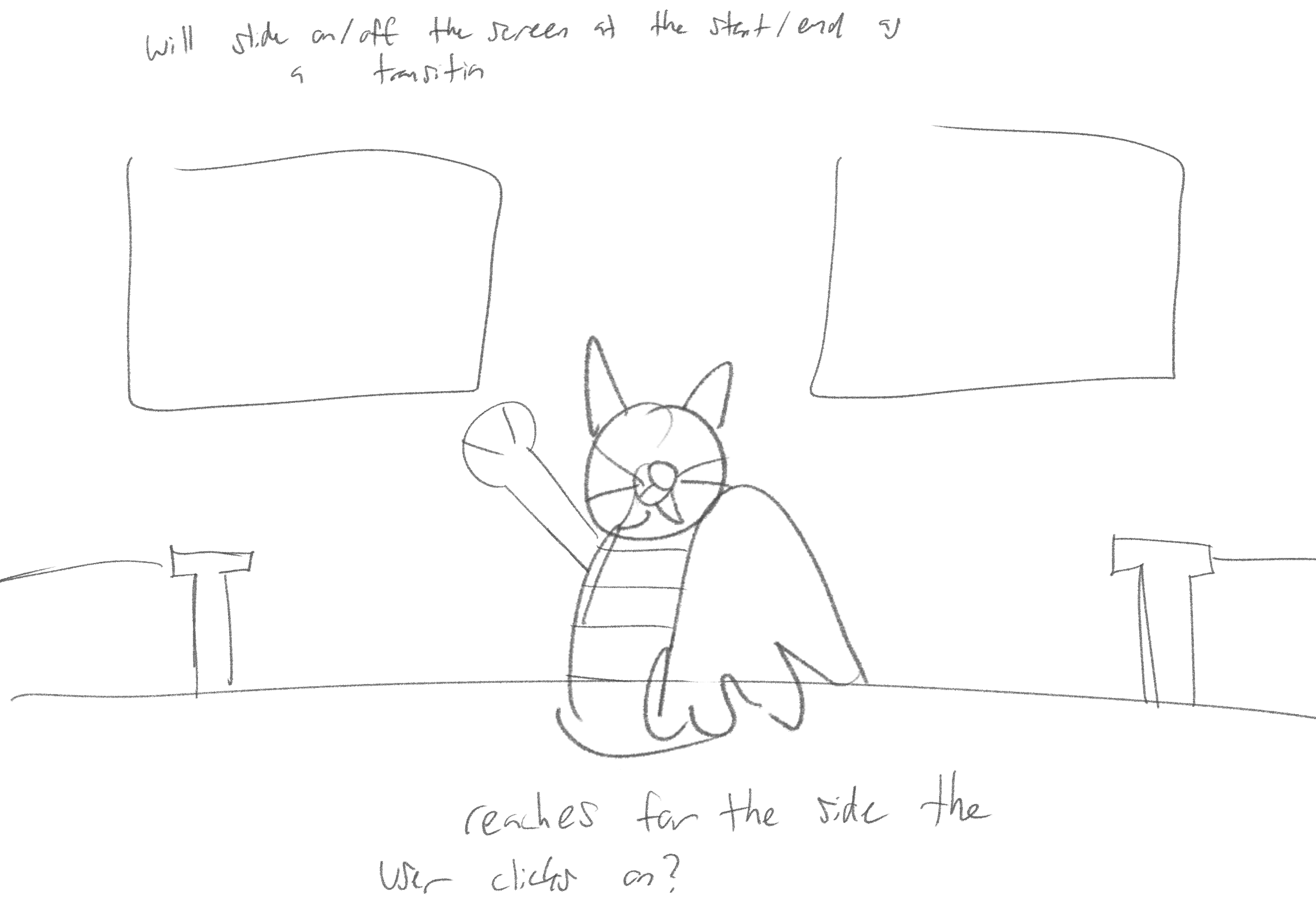
After the team landed on a general concept, it was time to workshop the idea more. The sketches I made really helped the team to develop a shared understanding of our task, as well as what could or could not be distracting to participants by presenting them to our project partner. I learned a lot through the brainstorming process. The main challenge of my concept work was making things entertaining while not compromising the research integrity of the task. It was especially challenging since elements such as visual feedback are paramount to UX design in most other scenarios, but they could be distracting in this specific circumstance.
For example, as shown in one of my sketches, the team was considering having spotlights that would shine on the paintings before they disappear, but our project partner thought this would be too distracting. Additionally, while my sketch showcases visual feedback for participant correctness, our partner specified that there should not be any visual feedback in the final game, neither a score of any kind. The orientation of the game was also decided at this point to be landscape, with the general layout of my sketch being preserved.
Additionally, my teammate Skye came up with the idea to have the robber be our school’s mascot: an anteater! That is reflected in some later sketches I made. The next sketch is an idea to have the robber on the screen for the whole game, having the robber walk on and off the screen as a transition between rounds as well as having them on the screen during normal gameplay. While fun and suitable for a game made purely for entertainment, the team and I found this idea to also be a bit distracting. Animated transitions would slow the time down between rounds which would take away from the integrity of the task, and having a character in the center of the screen when participants should be focusing on the stimuli could also be distracting.
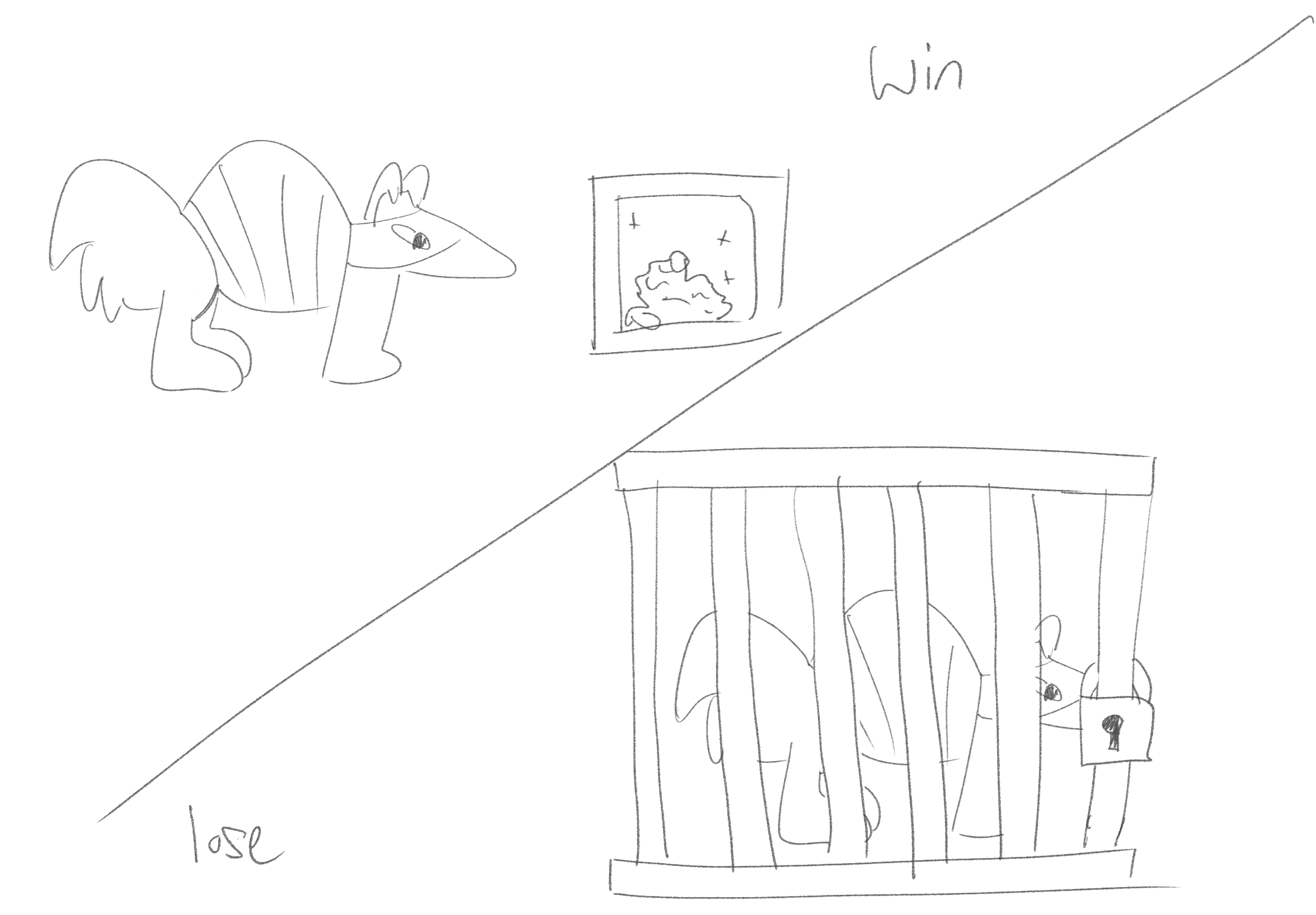
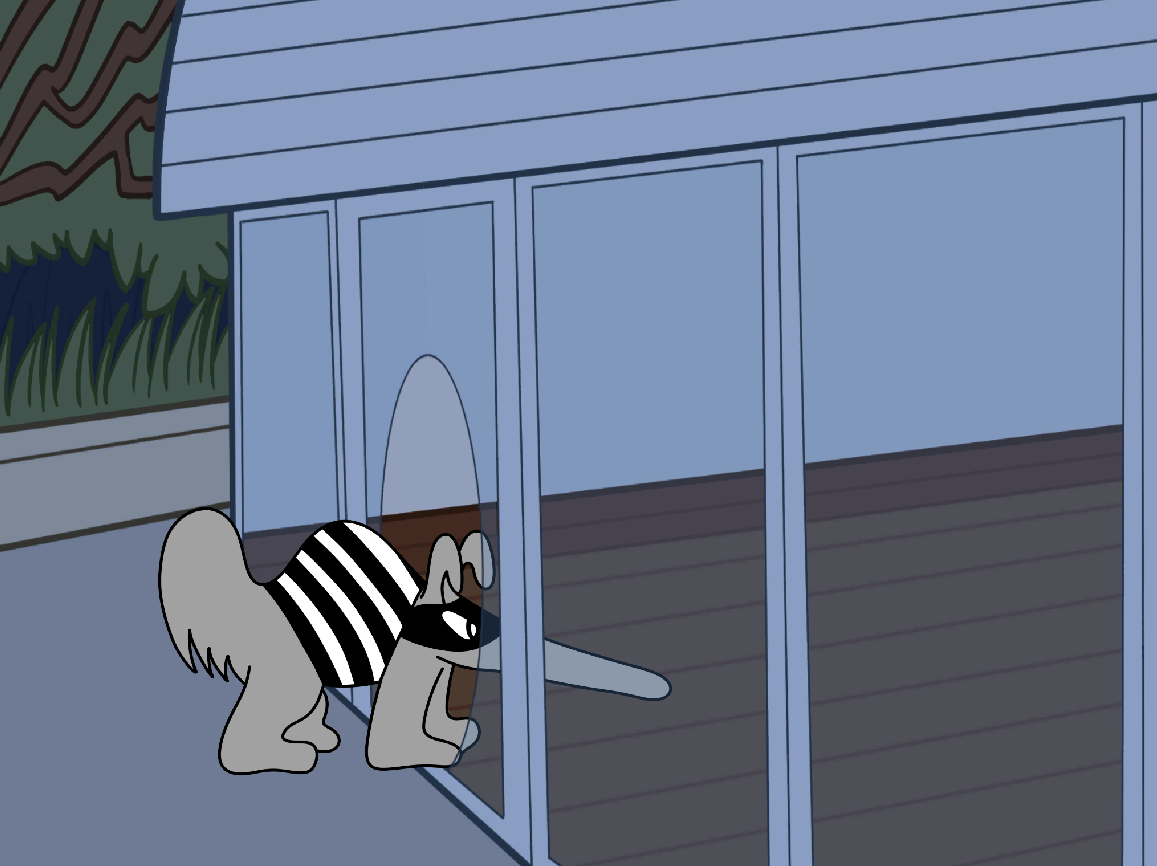
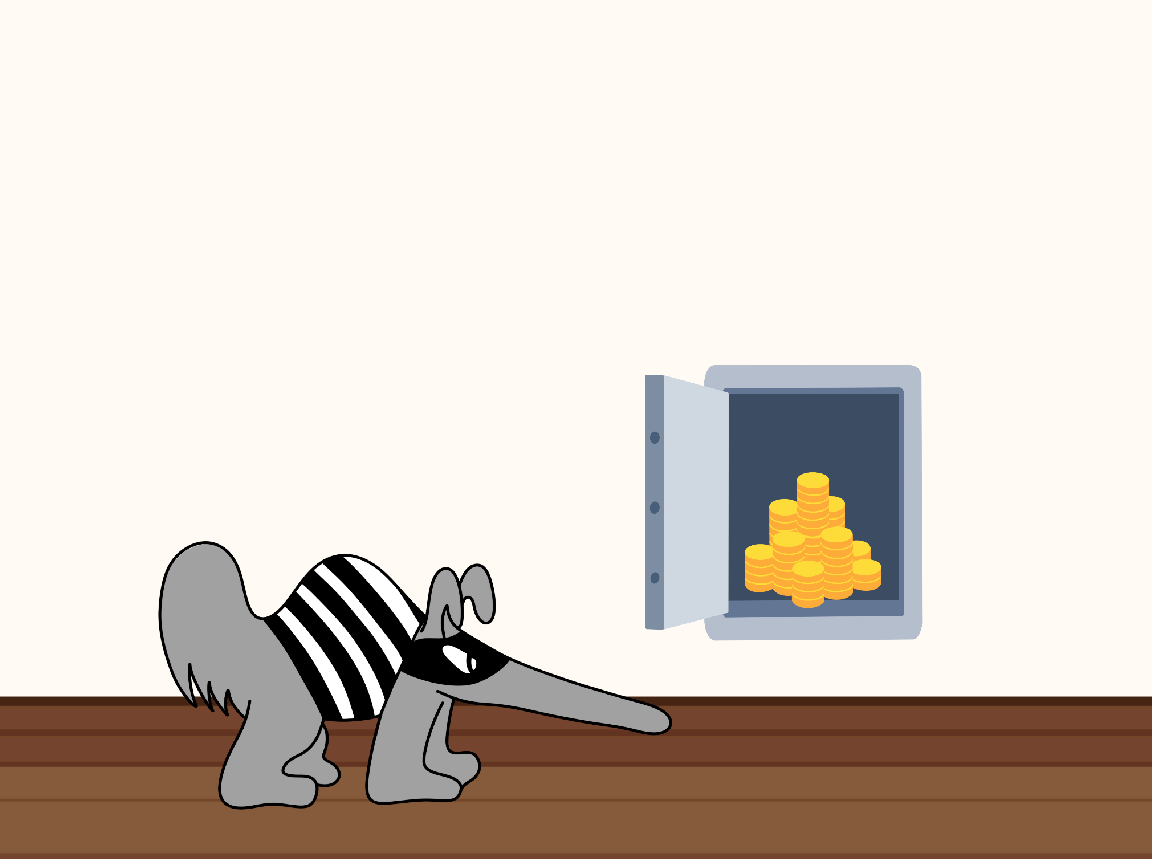
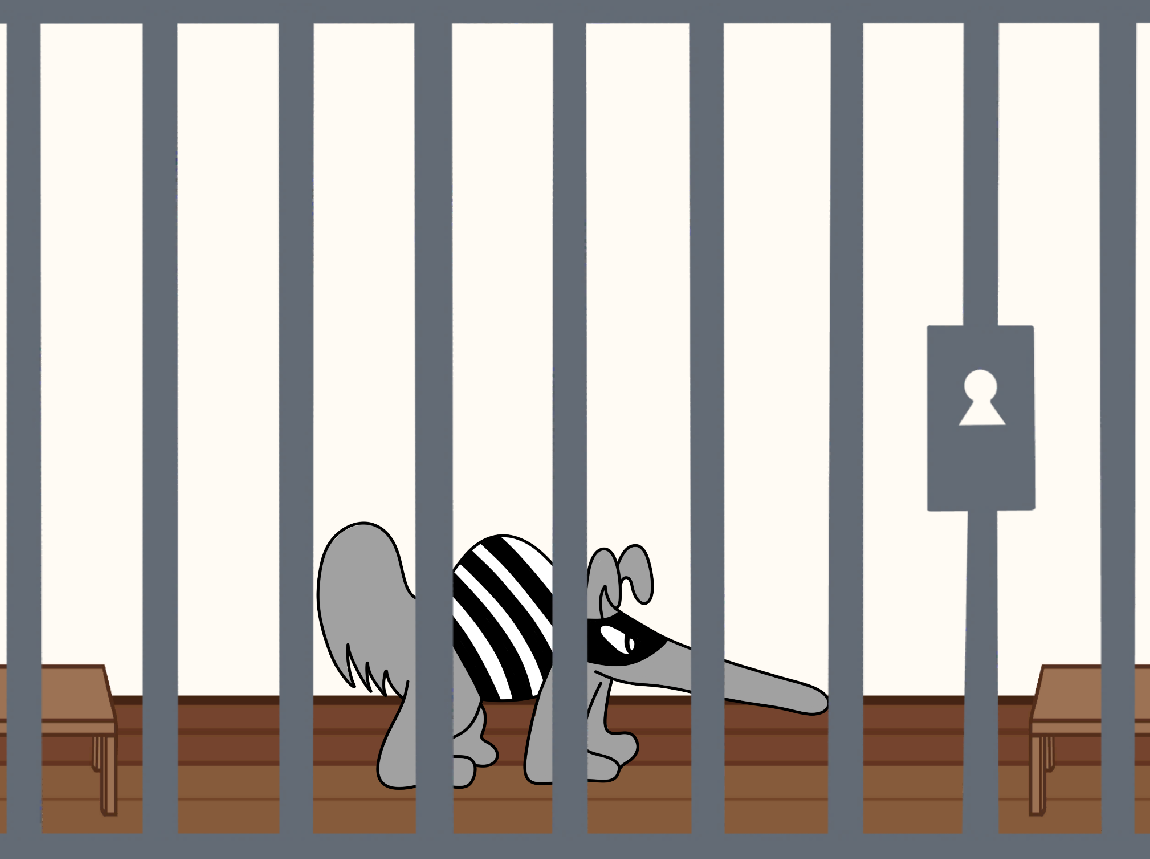
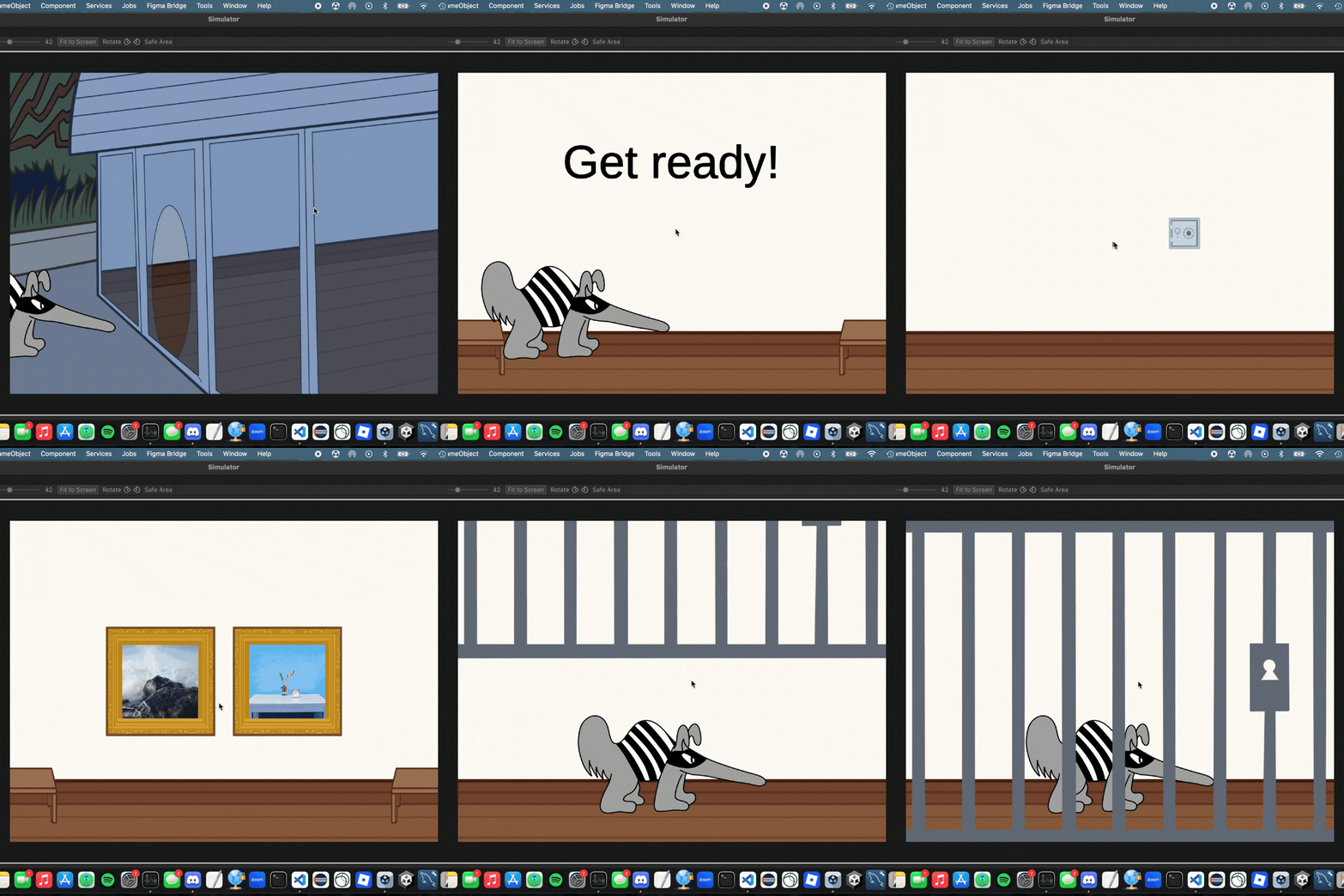
My final sketch contains the concepts for what could happen after all of the game’s rounds are up. I thought it would be more engaging if the player could see either the robber getting away with the safe’s contents or getting caught, as it would keep the player anticipating what the outcome of every gameplay session would be. This idea was expanded upon more in the final project, as not only are there these 2 possible ending scenes, but I also implemented an opening cutscene showing the robber breaking into the museum. These cutscenes added a lot of entertainment factor to the final product without providing anything distracting during actual gameplay.
Demo Rounds
After the main gameplay loop was complete, it was time to integrate it into the rest of the SLEEP Lab’s app, MindCycle. Since our minigame is going to be played alongside other tasks, and the experience has to be cohesive across their entire app, the SLEEP Lab team handles the creation of instruction screens that must be displayed before the game is played. My team ensured that the instructions for dot probe are displayed with every run of the game. Additionally, for participants who may be playing the game for the first time, they have the option to play a demo round of the game using placeholder images where no data is collected.
Museum Variations
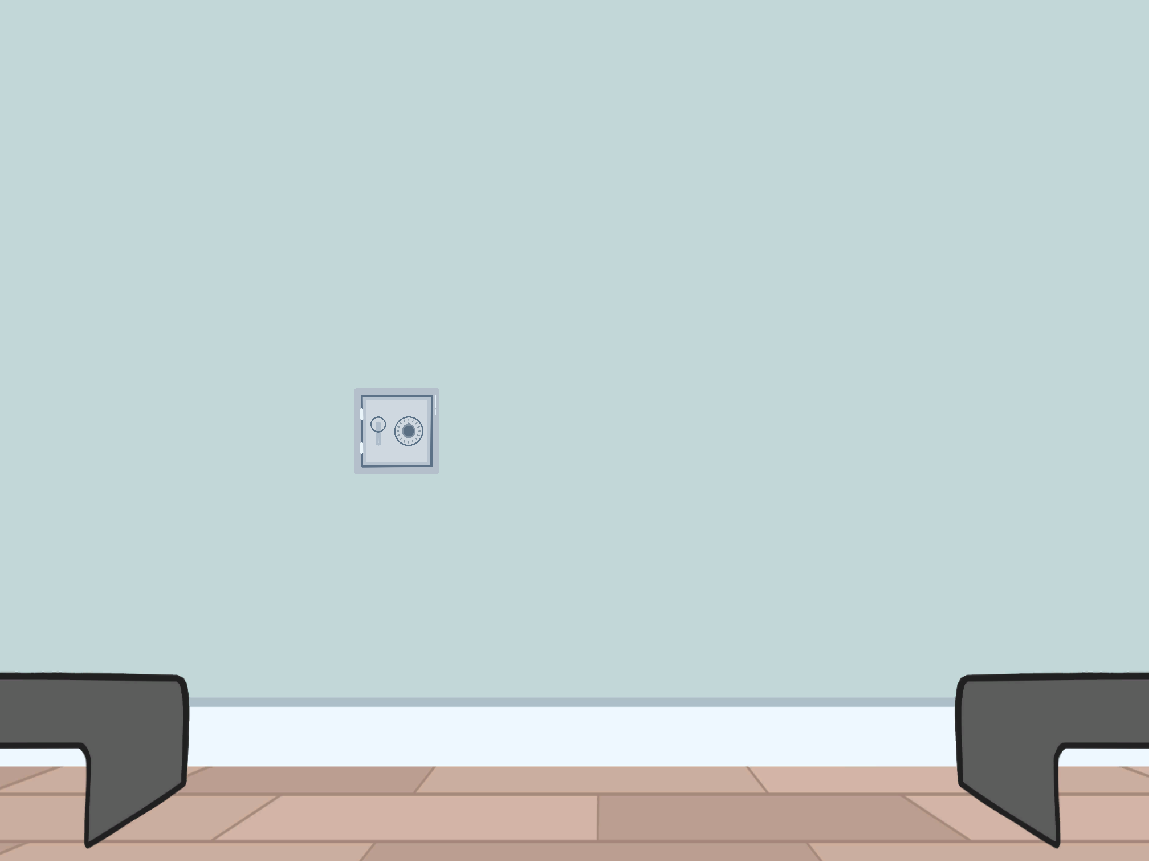
To add more variety between gameplay sessions, there are multiple versions of the museum players can see! This includes the type of wall/floor, and what decorations are on the sides of the scene.
Go/No-go: Factory
The Go/No-go Task
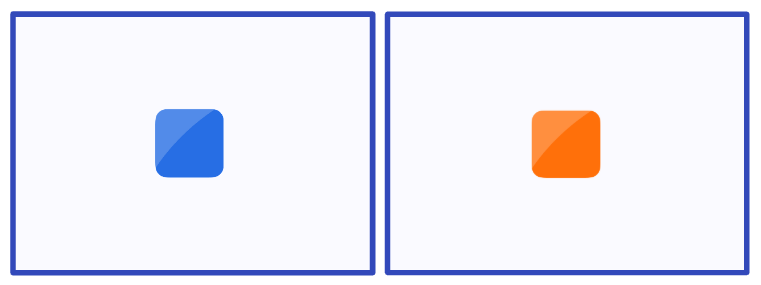
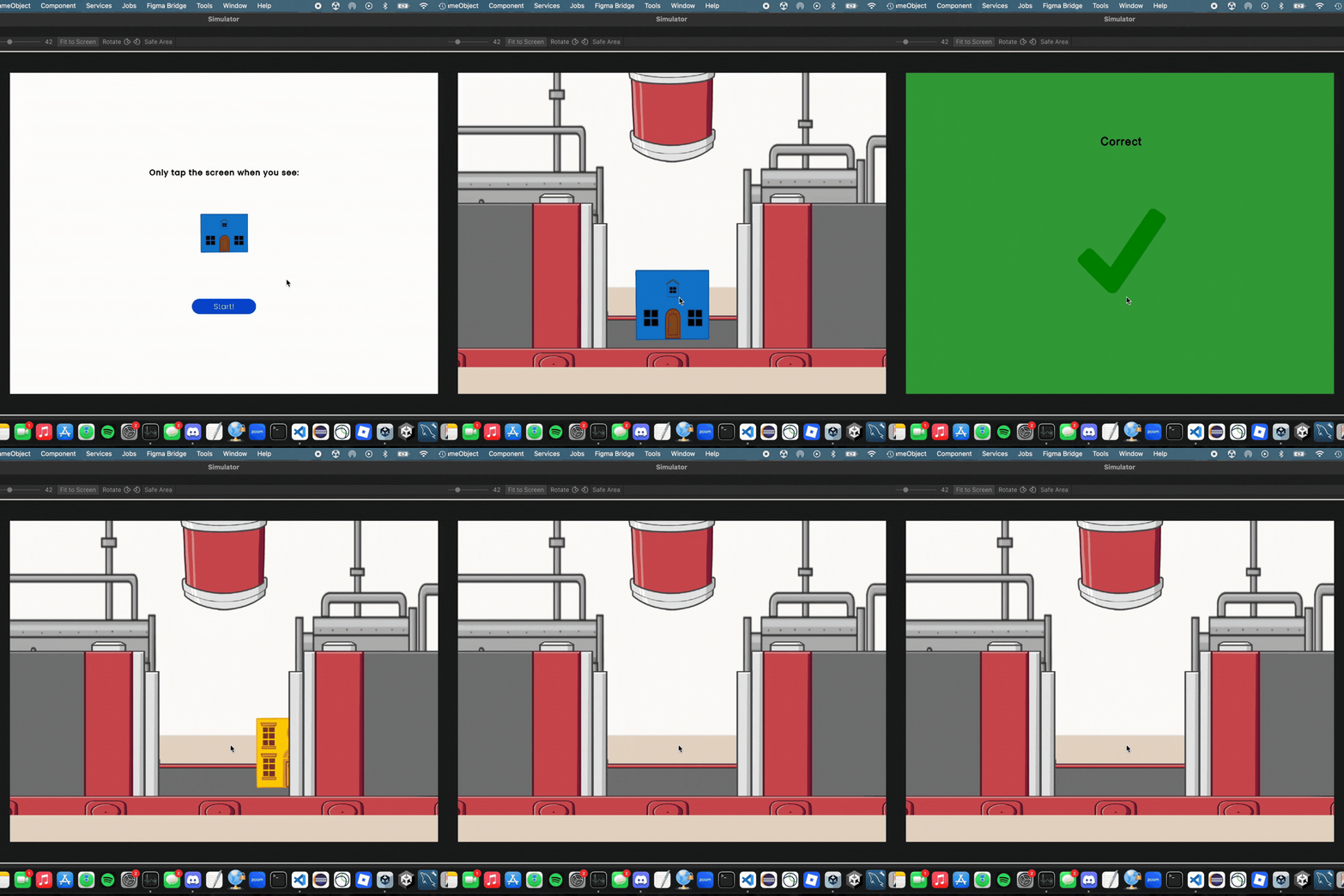
The go/no-go task is meant to test response inhibition. Two stimuli will be assigned to represent the “go” signal, and the “no-go” signal. The participant is meant to provide a response when they see the “go” signal, and to not do anything when they see the “no-go” signal. Since the stimuli are provided in rapid succession, providing the response can become habitual. The test is meant to measure anxiety, which can lead to poor response inhibition. Due to the fact that the “go” and “no-go” signals could be anything, my team was given a lot more creative freedom in deciding how to implement this game.
Brainstorming/Storyboarding
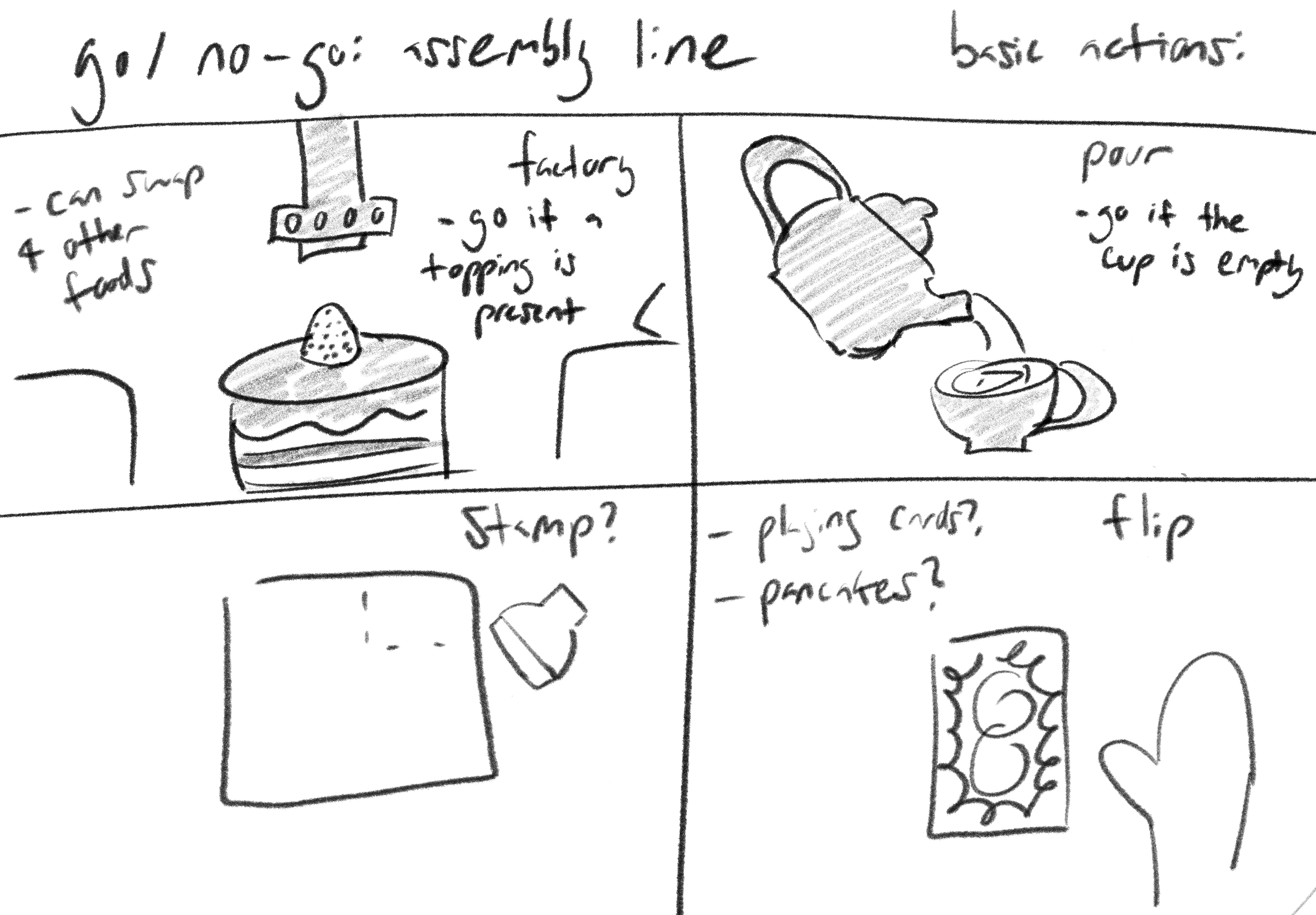
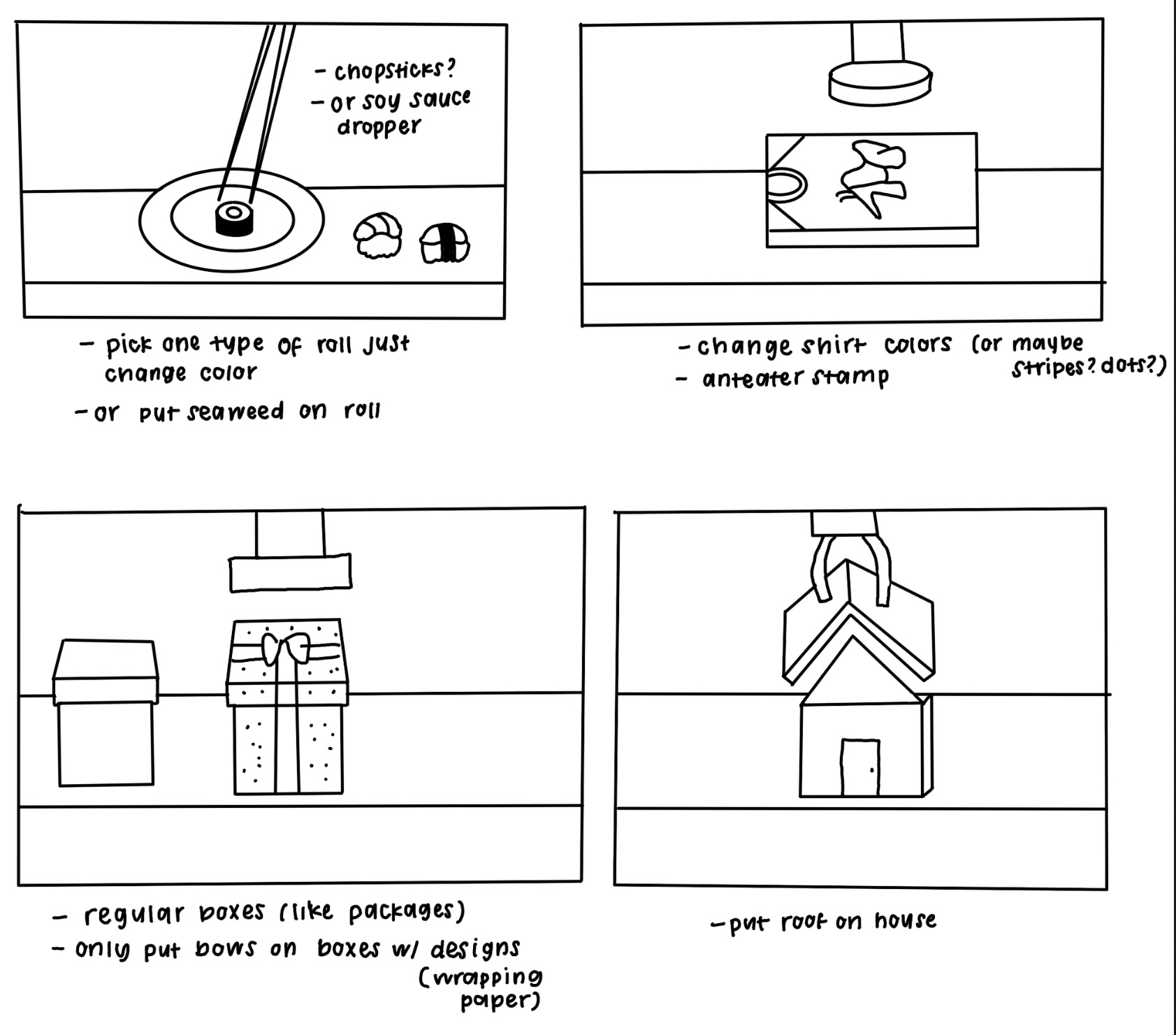
Here are the ideas I produced during the development of go/no-go. While making these sketches, I was trying to keep in mind that this game would become boring without a lot of variety. So, I started off with some basic actions the user could take that could then be remixed into many different versions of the game for greater replayability. The concepts here depict manufacturing something at a factory, pouring a drink, stamping something, flipping something, and driving a vehicle. The idea that the team ended up going with for this game was the factory game. We ended up with 5 unique versions of this minigame: manufacturing cakes, toy houses, stuffed animals, presents, and sushi!
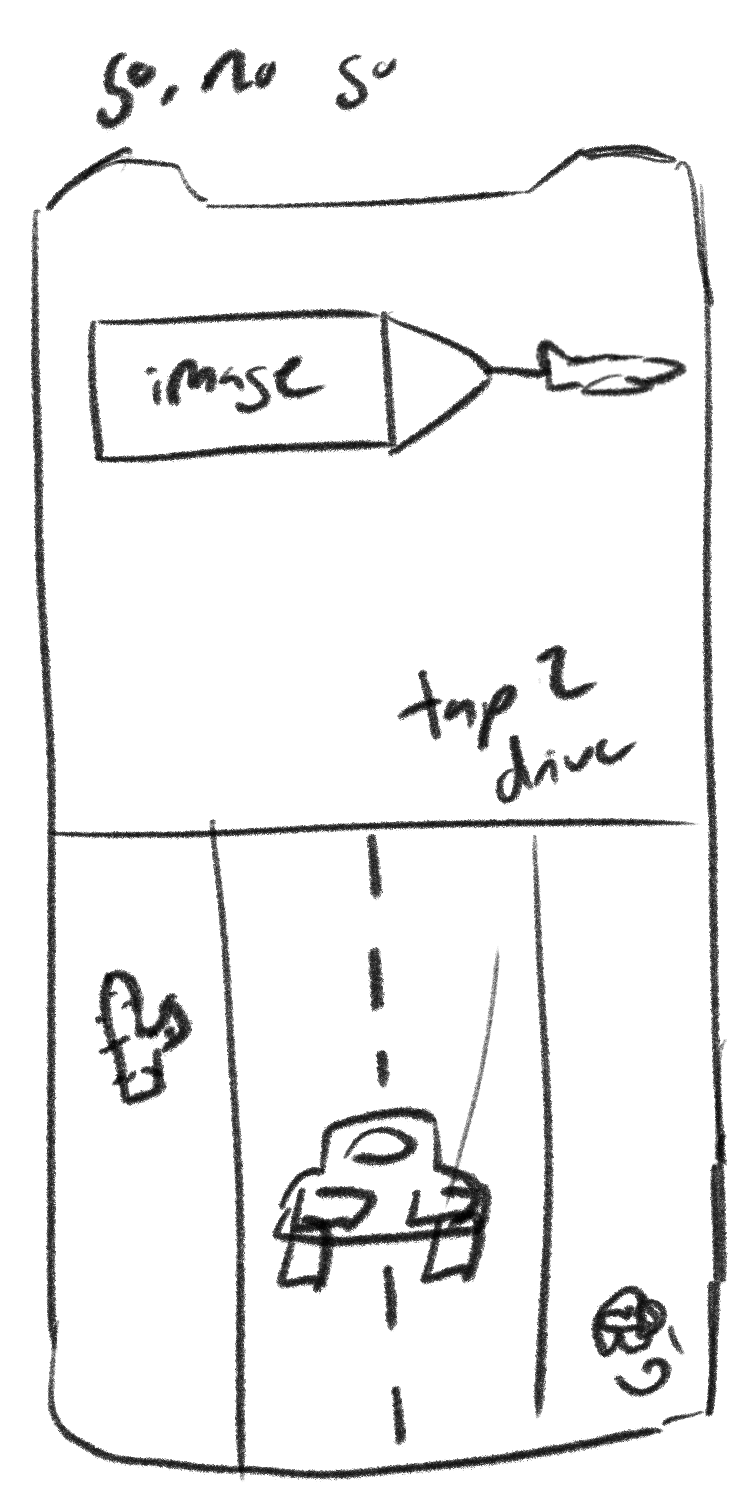
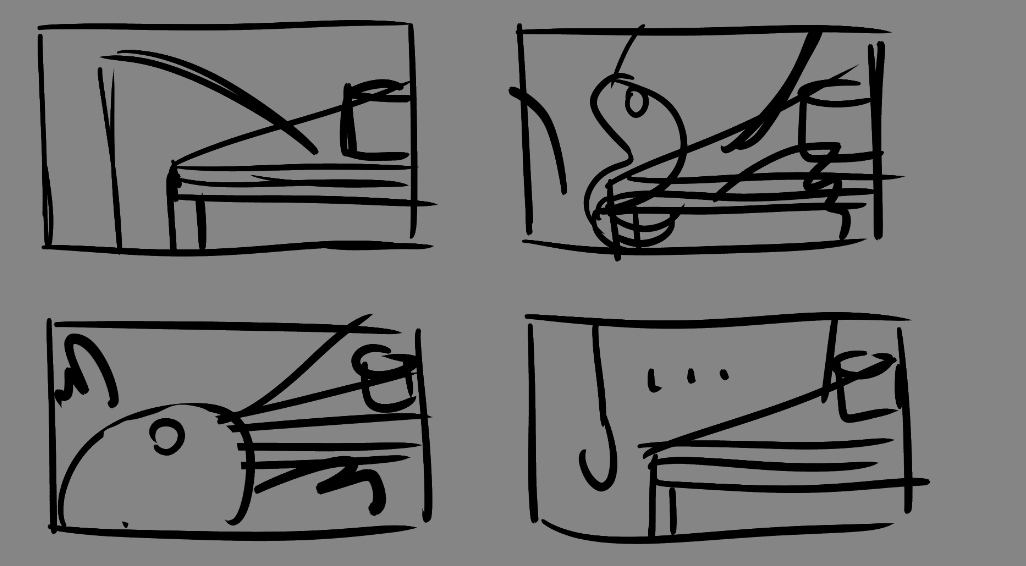
Additionally, here are some more concept sketches my teammates produced when brainstorming ideas for go/no-go. While we did not end up using any of the other ideas other than the factory one, I think if the project were to ever expand and the minigame would get even more variations, these concepts are well worth revisiting.
Screen Layout
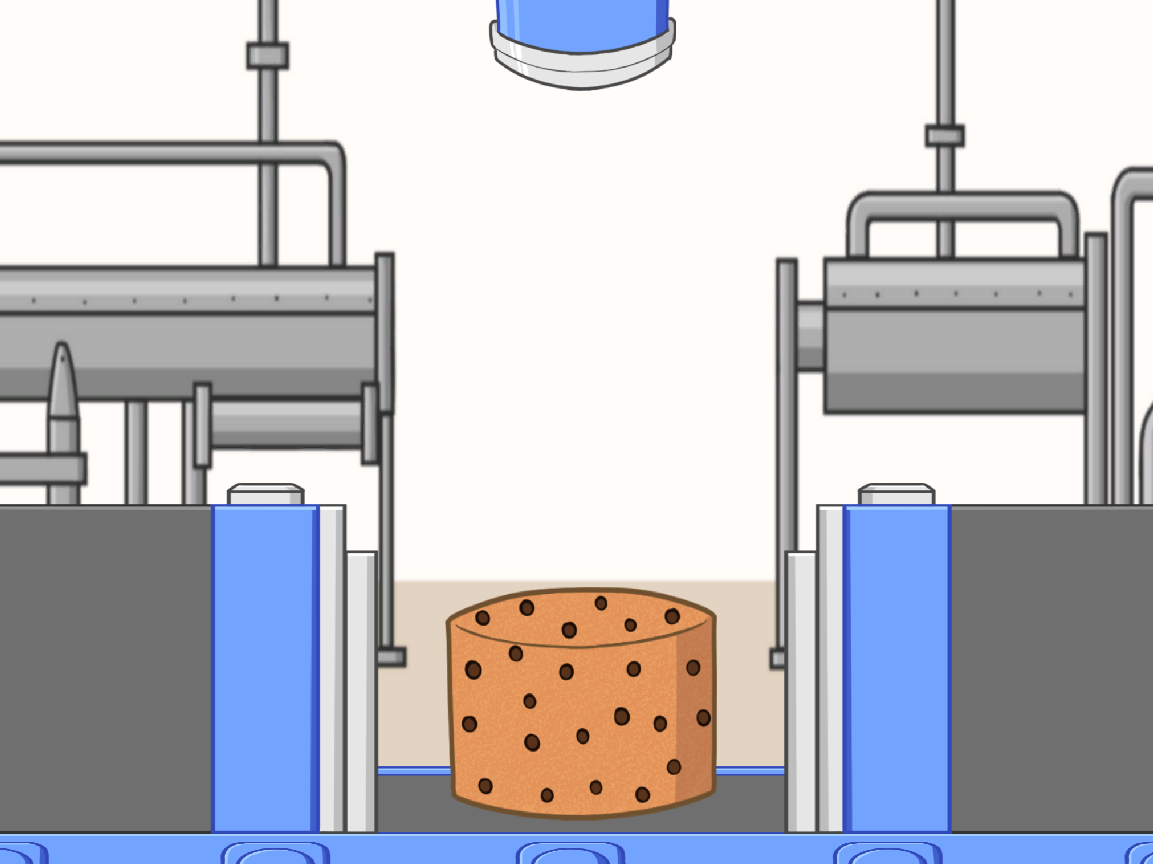
The screen layout of the final game differs from the initial sketch a bit. An issue that was found with the initial sketch is that is shows the previous and the next cakes in the sequence, while the actual task should show only the stimulus the player is supposed to be reacting to. So, in the final version of the game there are 2 chutes that the stimulus slides in and out of to be revealed only when it is in the center of the screen. Additionally nothing in the background interferes with the center of the scene.
Tutorial Rounds
Since the given version of the minigame is randomized with every playthrough, and there are multiple possible stimulus options with every version, go/no-go runs through a short tutorial sequence to get the user acquainted to the stimuli before gameplay starts. Visual feedback is provided to the user here to let them get used to the task before data is collected.
Asset Revisions
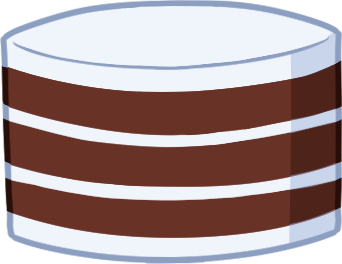
A lot of assets were created for go/no-go, and my team and I had to ensure they were all appropriately distinct from one another, especially since these assets serve as the stimuli, and players only have 1 second to react before a stimulus leaves the screen. Our team had to make a few revisions to assets that were too visually similar to each other in the event that they were paired up during gameplay. We did this by ensuring that the colors are very bright, distinct from one another, and that there are no similar patterns between assets. Here is an example with a few of our cake assets. The red velvet and cookies and cream cake were too similar in pattern and color, so the cookies and cream cake was replaced with a new cake to contrast more!


Factory variations
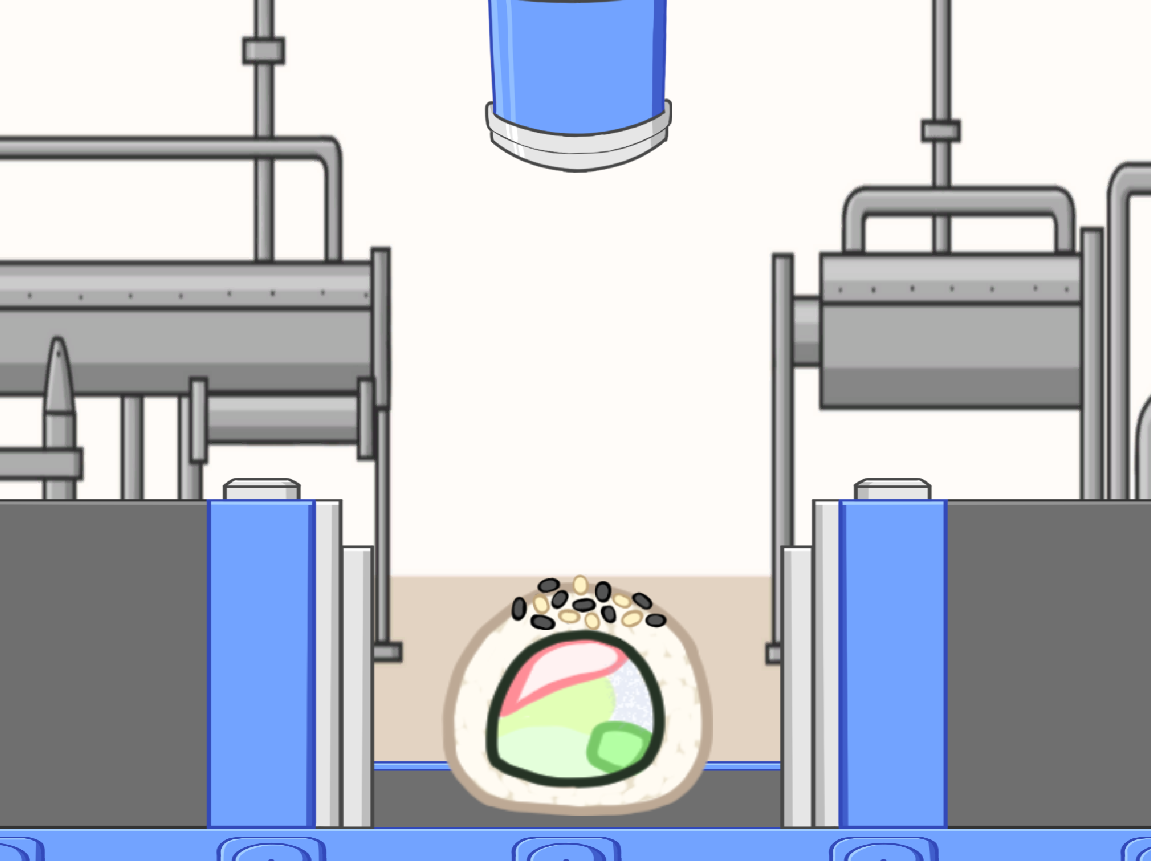
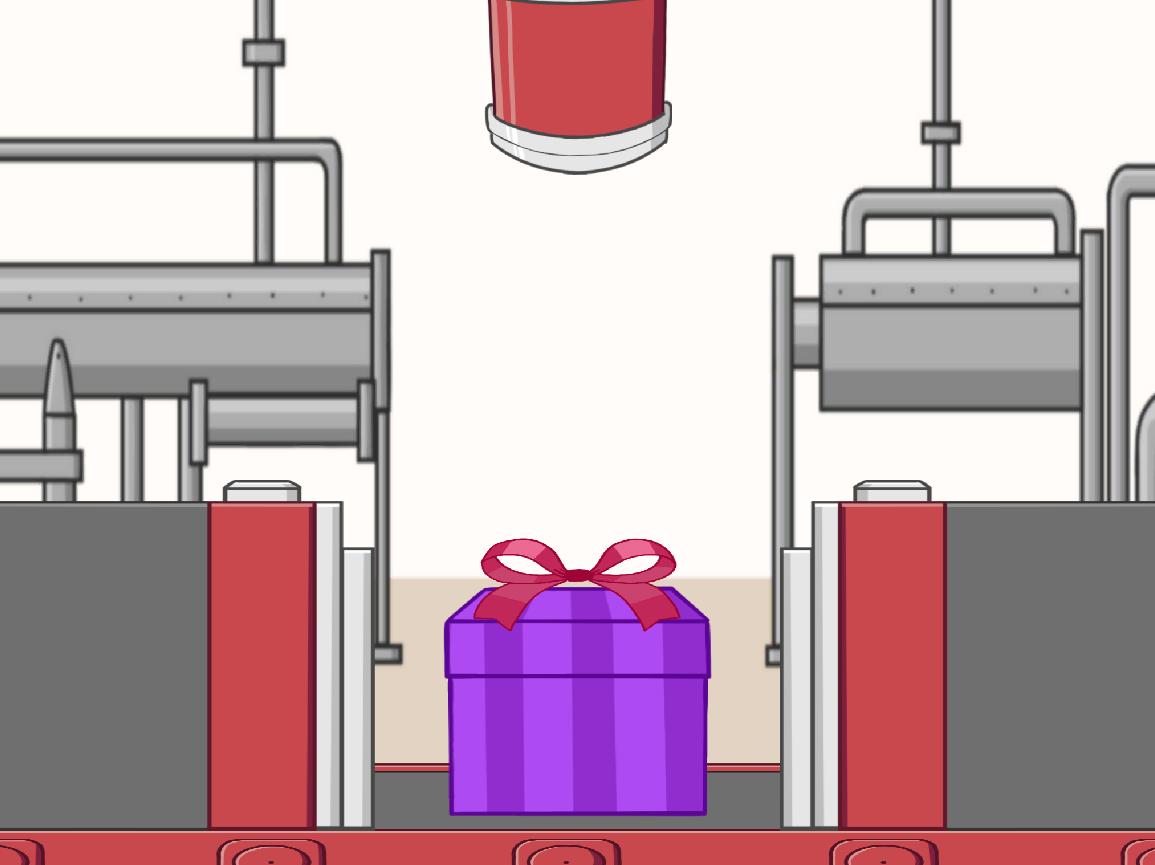
Alongside a wide variety of items to manufacture, the game also features different variations of the factory! Both of these factors combined help a lot with entertainment and replayability, since the player does not know what to expect with every run of the game.
Conclusion
Dot Probe Demo
Go/No-go Demo
Final Deliverables
By the end of the 2 capstone quarters, my team was able to provide 2 complete, high quality minigames. The minigames were tested informally through getting feedback from family and peers, and were tested on various emulators and screen layouts to ensure they work properly across devices. The games also properly interface with the SLEEP Lab’s backend data parsing system through their API. Finally, the games are configurable by lab staff, who can edit the speeds of various animations, as well as stimuli data sets.
Alongside developing the minigames themselves, my team and I produced extensive documentation related to the development of these minigames. There are overviews of both games, which go over the nature of the task, the flow of the game, what each script in the game handles, and what data is imported and exported from the game. Additionally, there is documentation on how to reproduce a minigame, with instructions on setup and helpful tips, a guide to SLEEP Lab’s API, tutorials for adding new go/no-go stimuli and adding cutscenes, and notes on a separate minigame in MindCycle that were helpful to my team in understanding how to create our own.
Finally, the team conducted an accessibility as well as an ethics review on our project. For our accessibility review, we evaluated our games through Unity accessibility standards and simulated playing the game with various disabilities. For our ethics review, we all brainstormed as a group using the consequence-scanning technique, and explored other risk zones. While a lot of our project requirements were strict as they needed to conform to the research study, our project partner was also given these reports for future consideration.
Reflection
This entire project was such a valuable learning experience for me. It was the first time I worked on a project that will actually ship to real users, and one that had a external partner as well. Everyone on the team, including myself, had never made a game using a game engine before, so we all had to learn fast for this project. I am proud of the progress I made in the game engine we used, Unity. I personally was able to complete some programming on this project, handling most of the cutscenes on dot probe, and doing a large portion of the gameplay programming for go/no-go; implementing the main gameplay loop as well as the theme randomization. Using Agile methodologies to keep track of this project was absolutely crucial due to the amount of ground we needed to cover, but also due to the high number of revisions and tweaks each game needed to go through. The main challenge of this project was balancing the research integrity of the minigames while still keeping them as engaging as possible. It was a very unique UX and game design challenge, and I think it really pushed me as a designer. I am very proud of my entire team for delivering such a high-quality final product while being on a project that had so many unique aspects to it.